

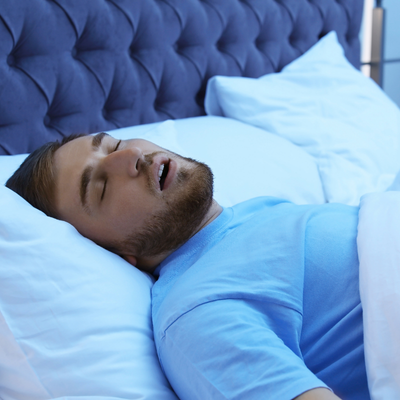
Sleep Apnea Affects Breathing
Understanding how sleep apnea affects breathing is key to improving sleep quality and overall health. At Atreus Medical & Surgical Associates in Seneca and Piedmont, SC, we help patients identify sleep-related breathing disorders and provide personalized treatment plans. Learning how sleep apnea affects breathing can help you recognize symptoms, identify potential risks and know when to seek professional care.
What Is Sleep Apnea?
To better understand how sleep apnea affects breathing, it is helpful to first understand the condition itself. Sleep apnea is a disorder that causes periodic pauses in breathing during sleep. These pauses may last several seconds and can occur dozens or even hundreds of times throughout the night. As oxygen levels drop, the brain briefly wakes the body to restore normal breathing, preventing deep and restorative sleep.
The most common form, obstructive sleep apnea (OSA), occurs when the muscles in the back of the throat relax too much and partially or completely block the airway. Central sleep apnea occurs less frequently and results from the brain’s inability to properly communicate with the muscles that manage breathing.
Why Proper Breathing Matters During Sleep
The connection between how sleep apnea affects breathing is rooted in the body’s need for a steady supply of oxygen. Healthy breathing allows oxygen to flow freely through the nose, throat and lungs while carbon dioxide is removed from the body. This process supports brain function, heart health and muscle recovery throughout the night.
When the airway narrows or becomes blocked, the body must work harder to breathe. The chest and diaphragm continue trying to pull in air, but airflow is restricted. This is one of the clearest examples of how sleep apnea affects breathing, as decreasing oxygen levels force the brain to briefly awaken the body to reopen the airway.
How Sleep Apnea Affects the Body
Knowing how sleep apnea affects breathing also means understanding the widespread effects interrupted breathing can have on the body. Repeated breathing disruptions prevent the body from completing healthy sleep cycles and can contribute to numerous health concerns, including:
- Excessive daytime fatigue and sleepiness
- Morning headaches
- Loud snoring or gasping during sleep
- Difficulty concentrating
- Irritability and mood changes
- High blood pressure
- Increased risk of heart disease and stroke
- Poor memory and reduced productivity
Because these symptoms often develop gradually, many people do not realize that breathing interruptions are the underlying cause.
Common Causes of Airway Obstruction
Several factors influence how sleep apnea affects breathing by limiting airflow through the upper airway. These may include:
- Excess tissue around the neck or throat
- Enlarged tonsils or adenoids
- A naturally narrow airway
- Chronic nasal congestion or sinus problems
- Certain jaw or facial structures
- Sleeping on the back
- Age-related changes in muscle tone
Although snoring is a common symptom, not everyone who snores has sleep apnea. A comprehensive evaluation can determine whether breathing problems are affecting your sleep.
Signs You Should Schedule an Evaluation
Recognizing how sleep apnea affects breathing can help you identify warning signs before they begin impacting your long-term health. If you or a loved one experience loud snoring, pauses in breathing, choking sensations during sleep or persistent daytime fatigue, it may be time to schedule an evaluation.
Other symptoms include waking with a dry mouth, difficulty staying asleep and feeling unrefreshed despite getting enough hours of rest. Knowing how sleep apnea affects breathing helps patients seek treatment earlier and minimize potential health risks.
Treatment Can Improve Breathing and Sleep
One of the biggest benefits of learning how sleep apnea affects breathing is discovering that effective treatment options are available. The goal of treatment is to keep the airway open and maintain consistent breathing throughout the night. Depending on the severity of the condition and its underlying cause, treatment may include lifestyle changes, continuous positive airway pressure (CPAP) therapy or oral appliances designed to improve airflow.
Many patients notice increased energy, better concentration and improved overall wellness once their nighttime breathing is properly managed.
Take The First Step Toward Better Rest
Healthy breathing is essential for quality sleep and overall well-being. If you have concerns about nighttime breathing, a professional evaluation can provide answers and personalized treatment options. Addressing how sleep apnea affects breathing can help you achieve better sleep, improved energy and lasting health. Call Atreus Medical & Surgical Associates in Seneca and Piedmont, SC at (864) 800-0100 or schedule an appointment online today to take the first step toward better sleep and wellness.